When the Red White and Boom initiative rolls out in Columbus for 2025, seasoned bird enthusiasts often wrestle with two core dilemmas: selecting species that thrive in a rapidly changing urban landscape, and handling the inevitable presence of scavenger birds that can disrupt project goals. This guide breaks down those pain points, contrasts common approaches, and equips you with actionable steps to keep your bird‑watching pursuits harmonious with the broader Red White and Boom vision.
Choose the optimal species for Red White and Boom Columbus 2025 habitats

Birds come in diverse shapes and sizes, each adapted to specific niches. In the Columbus 2025 context, compare native cavity nesters—such as Eastern Bluebirds—with open‑air foragers like the American Robin. Cavity nesters demand mature trees or artificial nesting boxes, while foragers thrive in suburban parks and gardens. Weigh the effort of installing nesting infrastructure against the ease of maintaining open feeding stations. For hobbyists with limited space, the latter offers quicker gratification, but the former yields long‑term breeding success that aligns with Red White and Boom’s sustainability targets.
Manage scavenger birds without compromising project integrity
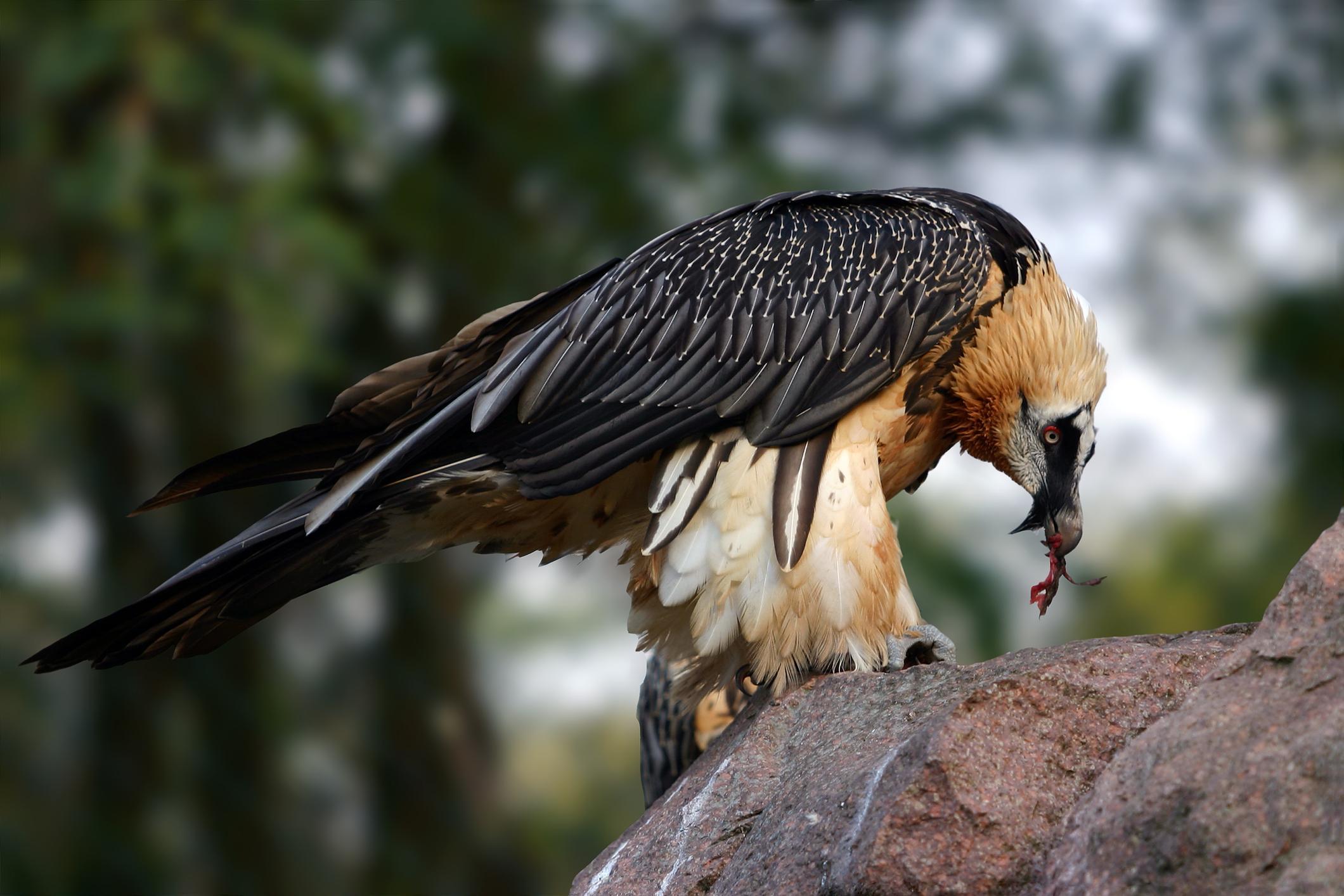
Scavenger birds—vultures, carrion crows, and some gull species—appear where waste accumulates, a frequent byproduct of urban expansion. Their presence can undermine Red White and Boom objectives by spreading disease or disturbing nesting sites. Compare two mitigation tactics: (1) strict waste management, employing sealed containers and timely removal, versus (2) visual deterrents like reflective tape or predator silhouettes. Waste control tackles the root cause and benefits the entire ecosystem, while deterrents offer a quick fix but may lead to habituation. For long‑term compliance with Columbus 2025 regulations, prioritize waste protocols and supplement with temporary deterrents during peak scavenger activity.
Contrast habitat restoration vs. habitat augmentation
Restoration restores degraded sites to their original condition; augmentation adds new features to existing habitats. Restoration often requires extensive soil remediation and native plant reseeding—processes that can delay observable bird activity. Augmentation, such as installing bird‑friendly lighting or water features, delivers immediate benefits and aligns with the Red White and Boom timeline. Evaluate your project schedule: if the Columbus 2025 deadline is tight, prioritize augmentation while planning phased restoration for future milestones.
Practical notes for integrating bird‑friendly practices
- Survey before you act: Conduct a 30‑day observation period to catalog resident and transient species, identifying conflict points early.
- Layer food sources: Offer a mix of seed, insects, and fruit to attract a broader spectrum, reducing competition and the lure for scavengers.
- Schedule maintenance: Perform habitat cleaning after peak breeding months to avoid nest disturbance.
- Document outcomes: Use a simple spreadsheet to log sightings, nest success, and scavenger incidents; this data drives iterative improvements.
Decision‑making checklist aligned with Red White and Boom goals
- Determine primary bird groups (cavity nesters vs. open foragers).
- Assess waste management capacity to predict scavenger pressure.
- Select between restoration or augmentation based on project timeline.
- Implement at least two mitigation measures concurrently (e.g., waste control + targeted feeding).
- Review monitoring data quarterly and adjust tactics before the 2025 deadline.
By juxtaposing species selection, scavenger management, and habitat strategies, experienced hobbyists can turn the Red White and Boom Columbus 2025 initiative into a model for urban bird stewardship. The comparative approach not only resolves common frustrations but also builds a resilient, bird‑rich environment that fulfills both personal passion and community objectives.
