If you’re hunting for a canine sidekick who will thrive on forest trails and splash in streams, the dog stars book offers a curated roadmap. It pairs breed profiles with real‑world scenarios, helping readers match their outdoor lifestyle to a dog that truly belongs in the woods and water.
What the Dog Stars Book Covers
Each chapter breaks down temperament, energy level, and grooming needs, then ranks breeds against three core criteria: love of nature, water affinity, and adaptability to changing terrain. Practical checklists let you score your own preferences, turning the selection process into a quick, data‑driven exercise.
Nature‑Loving Breeds Compared Side‑by‑Side

The book pits classic retrievers against lesser‑known alpine types. For example, a Labrador’s enthusiasm for water rivals that of a Bernese Mountain Dog’s stamina on steep hikes. The comparison tables let you see at a glance which breed balances playfulness with endurance, a key factor if you plan weekend canoe trips.
- Labrador Retriever – high water drive, moderate shedding, easy‑going with families.
- Bernese Mountain Dog – strong pulling power, thick double coat, needs regular grooming.
- Portuguese Water Dog – excels in swimming, low‑odor coat, thrives on structured tasks.
Step‑by‑Step: Using the Book to Pinpoint Your Ideal Trail Dog
- Identify your terrain. Mark the most frequent environments—dense woods, open fields, or rocky streams.
- Score energy needs. The book’s 1‑10 scale matches your weekly activity hours with a breed’s stamina.
- Check climate compatibility. Cross‑reference the breed’s coat type with your local weather patterns.
- Apply the “Fit Index.” Combine your scores; the highest‑ranking breed becomes your shortlist.
Following this sequence reduces guesswork and prevents costly mismatches, such as adopting a high‑energy breed in a climate that forces constant indoor living.
Gear and Training Tips for the Outdoorsy Dog
Once you’ve chosen a breed with the help of the dog stars book, the next step is preparation. A well‑fitted harness, collapsible water bowl, and a weather‑proof coat are essentials for most nature‑loving dogs. Training should focus on recall in open spaces and confidence in water, using positive reinforcement to build trust.
- Start recall drills in a fenced area before moving to forest trails.
- Introduce shallow streams gradually; let the dog explore at its own pace.
- Use a “leave it” command near wildlife to keep both parties safe.
Real‑World Example: A Weekend Getaway with a Book‑Chosen Companion
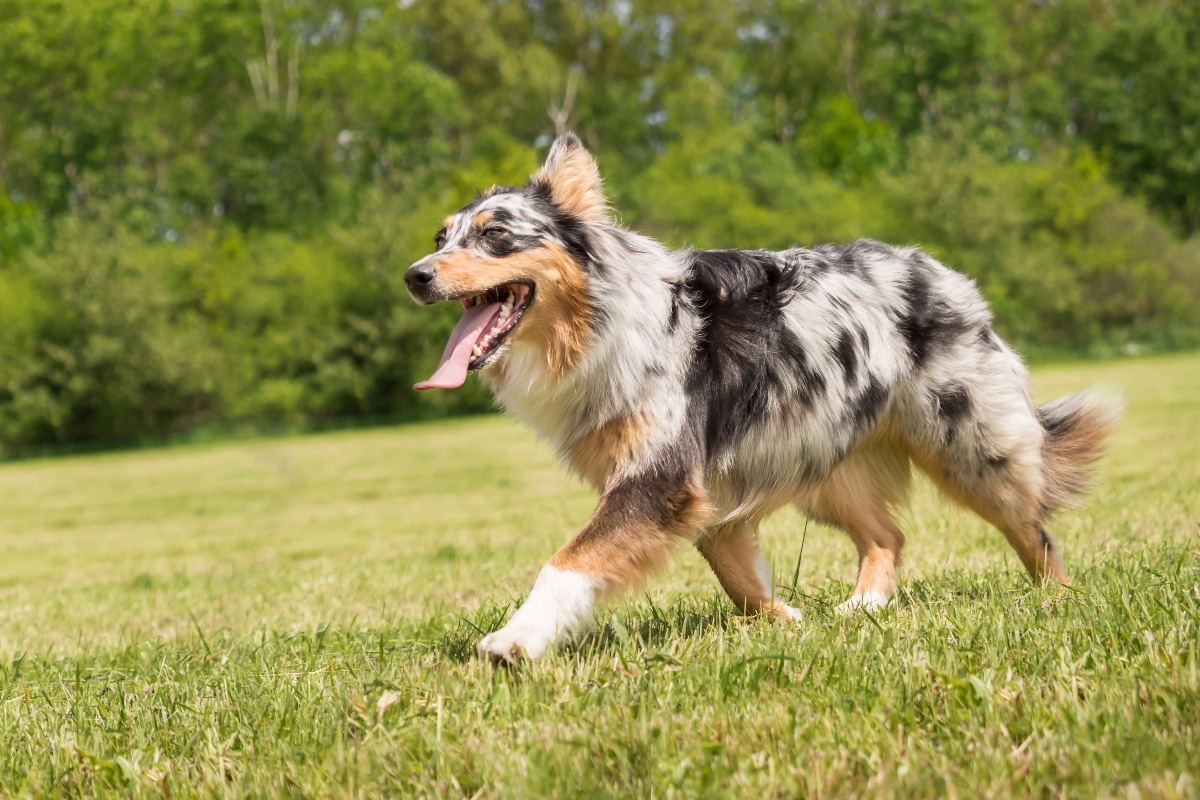
Emily followed the book’s process, scored her preferences, and landed on a Golden Retriever. During a three‑day hike in the Appalachian foothills, the dog’s love of open grass and moderate water interest made for seamless campfire evenings and safe creek crossings. Emily credits the book’s clear criteria for avoiding a breed that would have required more intense grooming or a higher heat tolerance.
Whether you’re a weekend hiker, a kayak enthusiast, or simply love the scent of pine, the dog stars book turns the breed‑selection journey into a logical, confidence‑building experience. By comparing traits, scoring personal needs, and following a structured plan, you’ll find a four‑legged partner ready to share every adventure.
