Casting a canine for film, TV, or commercial work feels like juggling talent, temperament, and logistics—all while keeping the animal’s welfare front‑and‑center. Below, we unpack the most frequent errors producers make and provide concrete, smarter strategies to turn a four‑legged star into a reliable on‑screen partner.
What rookie errors sabotage a dog‑casting decision?
Even seasoned producers stumble over a handful of predictable slip‑ups:
- Choosing a breed based solely on looks. A sleek silhouette may look perfect on paper, but if the breed’s energy level clashes with the script, the set quickly becomes chaotic.
- Ignoring the dog’s prior training. A talented Labrador that’s never worked with a boom mic will likely freeze when the camera rolls.
- Neglecting health clearances. Unchecked orthopedic issues can surface during long shoots, leading to delays or, worse, injury.
- Assuming any handler can manage any dog. Specialized handlers are essential for high‑energy or water‑loving breeds.
Addressing these points early saves money, time, and keeps the animal safe.
How do you align a breed’s physical traits with a character’s needs?

The morphological chart above visualizes the spectrum of body types—from compact terriers to towering mastiffs. When a script calls for a “big, gentle guardian,” a breed like the Bernese Mountain Dog offers both size and a calm demeanor. Conversely, a sleuth‑type sidekick benefits from the agility and alert ears of a Border Collie. By cross‑referencing the chart with the character’s description, casting directors can narrow the pool to breeds that naturally embody the role, reducing the need for costly prosthetics or CGI.
Why is temperament often the hidden culprit in failed dog performances?
Temperament dictates how a dog reacts to bright lights, noisy crews, and repeated takes. Overlooking this factor leads to:
- Frequent “take‑backs” because the animal refuses to repeat an action.
- Elevated stress that can cause health issues or behavioral setbacks.
- Increased liability for the production company.
Solution: request a recent temperament assessment from a certified animal behaviorist. Pair that report with a trial run on set before locking in the contract. Even a breed known for calmness can have an individual dog that’s skittish around certain props.
What smarter alternatives exist for challenging scenes?
When a script demands dangerous stunts or extreme weather, consider these tactics instead of forcing a live dog into the spotlight:
- Professional stand‑ins. Trained dogs of similar size can perform risky actions while the featured canine watches from a safe distance.
- Limited‑time CGI augmentation. Modern visual effects can convincingly add a splash of water or a brief flight without endangering the animal.
- Pre‑recorded footage. Capture the dog’s natural behavior in a controlled environment and splice it into the final cut.
- Creative editing. Use quick cuts and reaction shots to imply participation without a full‑body performance.
These options preserve narrative intent while upholding the highest animal‑welfare standards.
Which breeds excel in woods‑and‑water sequences, and how should they be handled?
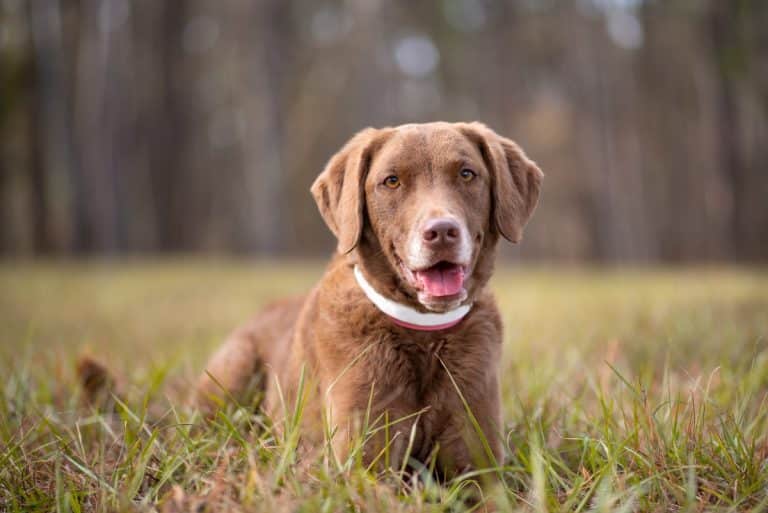
Dogs that love the outdoors—such as the Chesapeake Bay Retriever, Portuguese Water Dog, and Siberian Husky—bring authentic energy to forest or lake scenes. Their natural affinity for water and rugged terrain means fewer takes and a happier performer. However, they still require:
- Acclimation to equipment (e.g., harnesses, waterproof cameras).
- Scheduled breaks to prevent hypothermia in cold water.
- On‑set veterinary oversight, especially when terrain is uneven.
Pairing the right breed with a handler experienced in wilderness work transforms a potentially chaotic shoot into a seamless production.
