When a fluffy face lights up the screen, most viewers focus on the performance, not the behind‑the‑scenes reality. Yet many prospective dog owners wonder: “the dog stars does the dog die?” In other words, does a dog’s fame come with hidden health risks? This article walks you through the real concerns, debunks myths, and offers actionable steps so you can choose a four‑legged companion with confidence, whether or not you ever imagine a camera crew in your backyard.
Behind the Spotlight: Why Dog Owners Worry About On‑Set Safety
Every year, a handful of dogs transition from backyard playmates to Hollywood “stars.” The glamour hides a rigorous schedule, specialized training, and sometimes stunts that push physical limits. For a buyer, the pain point is clear: the desire for a charismatic pet versus the fear of exposing it to unsafe conditions. Knowing the industry’s safety standards—such as the American Humane Association’s “No Animals Were Harmed” certification—helps you gauge which productions truly prioritize canine welfare.
Breed‑Specific Risks – Australian Mountain Dogs on Camera

Australian Mountain Dogs (also called Australian Shepherds) are popular in film because of their intelligence, agility, and striking coat patterns. However, their high energy can lead to overexertion if a scene demands long runs or jumps. Prospective owners should ask trainers about conditioning routines, rest periods, and any heat‑related precautions taken during shoots. A well‑managed schedule reduces the chance of joint strain or heatstroke—common concerns that fuel the “does the dog die?” anxiety.
Common Misconceptions About “Dog Stars” and Mortality
- Myth: All canine actors face a high chance of early death.
Reality: Modern productions follow strict animal‑welfare guidelines. Fatal incidents are rare and usually result from negligence, not the act of starring itself. - Myth: Only purebred dogs are used, increasing health problems.
Reality: Mixed breeds are frequently cast for their temperament and resilience. Many rescues find second careers on set. - Myth: A dog that appears in a stunt is automatically at risk.
Reality: Stunt doubles—trained dogs or animatronics—handle dangerous sequences. The featured star often performs only safe, supervised actions.
Choosing a Healthy Canine Performer – What to Look For
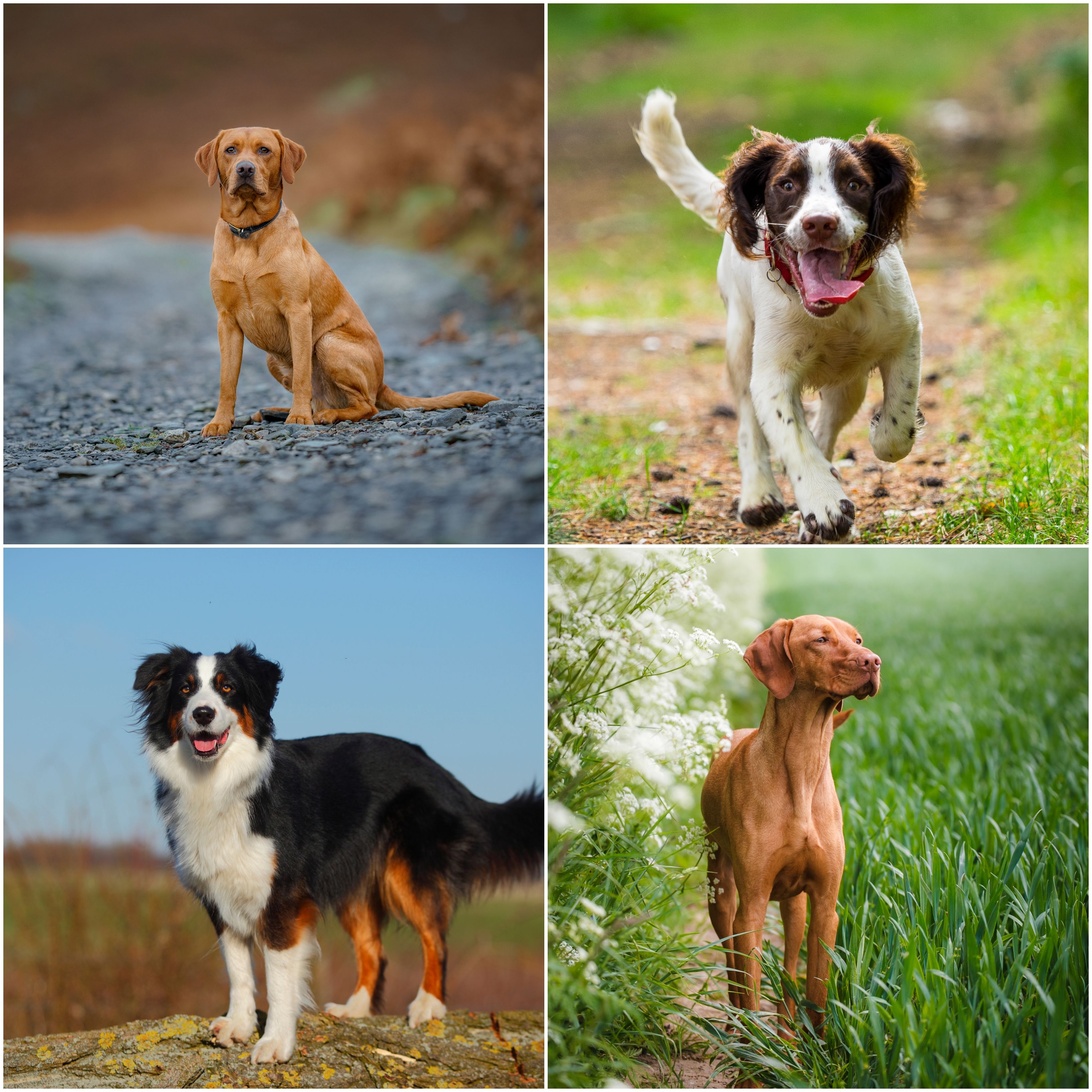
When evaluating a potential “star” for your family, consider three health pillars: genetics, temperament, and lifestyle compatibility. Ask breeders or shelters for veterinary records, hip‑and‑elbow evaluations, and temperament testing results. A dog that thrives in a structured environment—regular walks, consistent feeding, and clear boundaries—will adapt more easily to occasional training sessions, reducing stress that could otherwise compromise its health.
Practical Steps to Protect Your Dog If You’re Considering Work
- Vet Clearance: Obtain a comprehensive health exam before any training begins. Highlight concerns such as heart murmurs or joint laxity.
- Certified Trainer: Work only with professionals accredited by recognized animal‑welfare organizations. They know how to pace sessions and recognize signs of fatigue.
- Insurance & Contracts: Review any agreements for clauses that guarantee rest days, veterinary care, and safe equipment use.
- Home‑Based Alternatives: If on‑set work feels too risky, consider pet‑friendly photo shoots or local community events where the environment is controlled and the dog’s schedule remains familiar.
- Monitor Stress Signals: Tail tucked, excessive panting, or refusal to work are red flags. Promptly pause activity and consult a vet.
By addressing the underlying worries behind the question “does the dog star die?” you empower yourself to make informed, compassionate choices. Whether your future companion will ever share the limelight or simply enjoy a backyard adventure, a focus on health, proper training, and ethical practices ensures a long, happy life—far beyond any fleeting fame.
