Imagine a narrative where every canine character shines like a constellations, each breed adding its own glow to the story’s sky. The dog stars plot lets you map those lights, turning wagging tails into plot‑driving forces.
Chart the Constellation: Pinpoint Core Themes
Begin by asking what universal idea your dogs will embody. Loyalty? Freedom? Survival? Write a one‑sentence theme statement, then list the emotional beats you want to hit. This skeletal map becomes the backbone for every breed you’ll introduce.
- Define the central conflict. Is it a pack versus a human threat, or an inner struggle between instinct and obedience?
- Assign a celestial role. Choose which dog will be the North Star (the guide), which will be a comet (a fleeting catalyst), and which will be a dwarf star (subtle influence).
- Sketch the arc. Plot each canine’s rise and fall across the three‑act structure.
Choose the Right Breed for Your Setting

Just as astronomers match constellations to the night sky, match breeds to the story’s climate. A Siberian Husky thrives in icy backdrops, while a Basenji excels in tropical jungles. Aligning a breed’s natural traits with your setting gives the plot credibility and visual richness. For example, a desert‑hardened Afghan Hound can lead a caravan across sun‑scorched dunes, its flowing coat echoing the wind‑swept horizon.
Sketch the Scenes with Playful Details
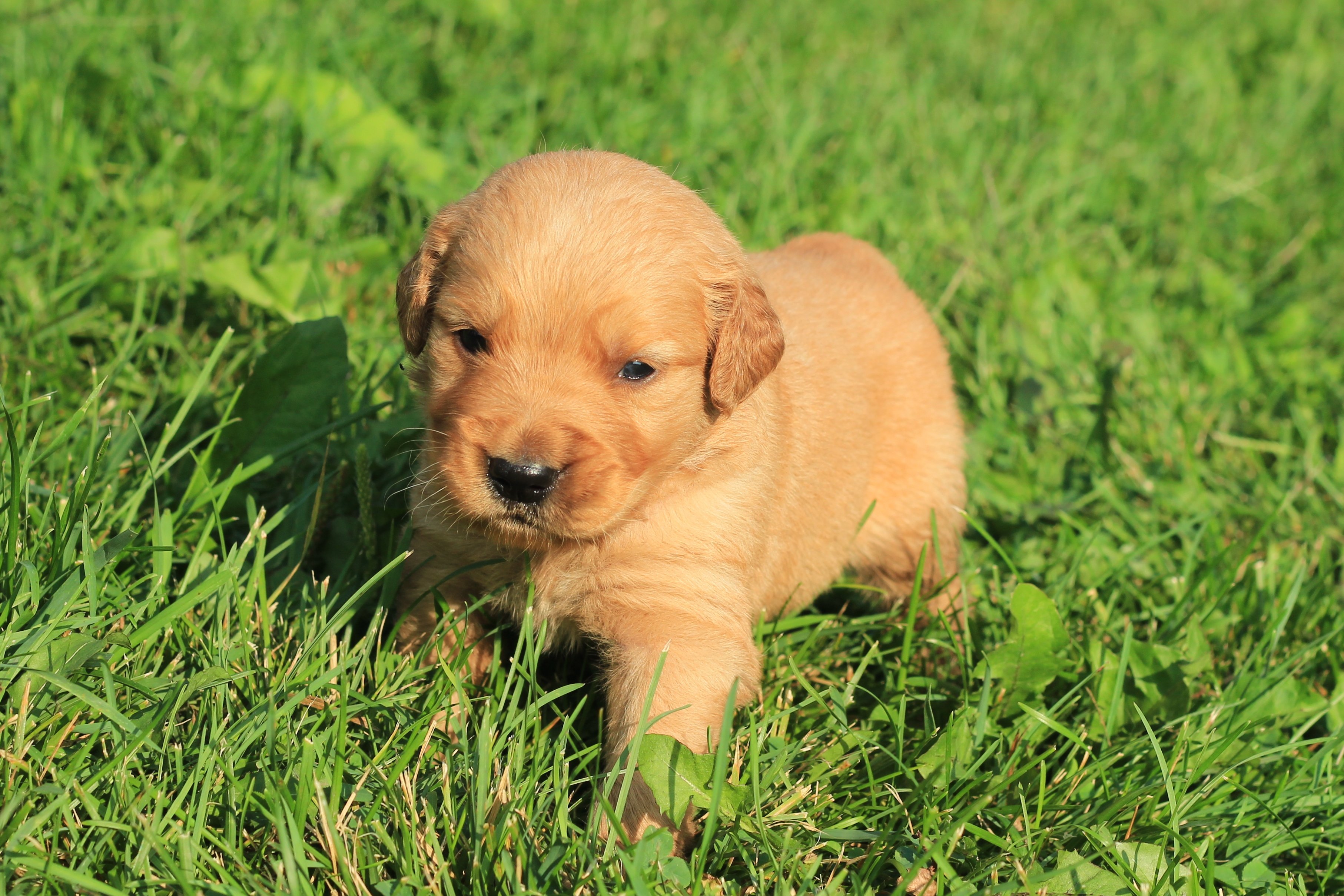
Bring the outline to life with vivid, tactile moments. Use a coloring‑page mindset: each scene starts as a blank canvas, then you add shading, texture, and motion. Describe a puppy’s first pawprint on fresh snow, the way light catches a Golden Retriever’s fur, or the scent trail a Bloodhound follows. These details act like stars that readers can trace, creating an immersive map they’ll want to explore again.
Layer Conflict and Resolve the Arc
Now the constellations must intersect. Introduce obstacles that test each dog’s role. Perhaps the lead Labrador’s loyalty is challenged by a rival pack led by a cunning Doberman. Use breed‑specific instincts to shape the conflict: a Border Collie’s herding drive can become a tactical advantage, while a Bulldog’s stubbornness may create comedic tension.
- Internal clash: a young Beagle doubts its scent‑sense.
- External clash: a storm forces a rescue mission led by a resilient Alaskan Malamute.
- Resolution: the pack learns that combining strengths—speed, scent, endurance—creates a unified constellation.
Polish the Finale and Share the Tale
Wrap the story by aligning the final tableau with the initial theme. The once‑lost star—perhaps a shy Chihuahua—finds its place in the sky, illuminating the whole narrative. Tighten prose, trim redundant beats, and ensure every canine moment shines.
When you publish, consider supplemental material: a printable coloring sheet of the story’s key dogs (like the one above) invites readers to engage beyond the page. This interactive layer turns a passive reading experience into an active constellation‑building exercise.
By following this discovery path—theme mapping, breed selection, scene sketching, conflict layering, and polished closure—you’ll craft a dog stars plot that feels both celestial and grounded, guiding readers through a universe where every pawprint matters.
